

Weight Loss


Care You Can Trust. Start to Finish.


Most Popular Treatments
Weight Loss

Body Pain

Hair Loss

Skin Care


Blogs
Hair loss is one of the most common yet misunderstood health concerns affecting both men and women. While it is often dismissed as purely genetic or cosmetic, hair loss is actually a biological process influenced by genetics, hormones, lifestyle factors, and overall health. Understanding how and why hair loss occurs is the first step toward choosing the right treatment and achieving long-term results.
This guide explains the science behind hair loss, the most common causes of hair loss, and the medical and lifestyle solutions that support long term hair regrowth
How Hair Growth Works: The Hair Growth Cycle Explained
To understand hair loss, it is essential to understand how hair normally grows. Each hair follicle on the scalp follows a continuous cycle consisting of three main phases:
1. Anagen Phase (Growth Phase)
This is the active growth phase, lasting anywhere from 2 to 7 years. During this time, hair grows approximately 1 cm per month. Healthy follicles spend most of their life in this phase.
2. Catagen Phase (Transition Phase)
This short phase lasts about 2–3 weeks, during which hair growth slows and the follicle begins to shrink.
3. Telogen Phase (Resting and Shedding Phase)
Lasting around 3 months, the hair eventually sheds and the follicle prepares to re-enter the growth phase.
Hair loss occurs when this cycle is disrupted either the growth phase shortens, the resting phase lengthens, or follicles gradually stop producing healthy hair.

2. Hormones and DHT (Dihydrotestosterone)
Hormones play a central role in hair loss, particularly DHT (dihydrotestosterone). DHT is a byproduct of testosterone formed by the enzyme 5-alpha reductase.
In genetically predisposed individuals:
- DHT binds to hair follicles
- Follicles shrink and weaken
- Hair growth cycles shorten
- Hair becomes thinner and less pigmented
This hormonal sensitivity is why hair loss often accelerates:
- After puberty
- During periods of hormonal imbalance
- With aging
Managing DHT levels is one of the most effective ways to treat hormone-related hair loss.

3. Stress and Hair Loss (Telogen Effluvium)
Chronic stress is a major but often overlooked cause of hair shedding. Physical or emotional stress can push a large number of hair follicles into the telogen (resting) phase at the same time.
- Common stress triggers include:
- Illness or surgery
- Significant weight loss
- Emotional trauma
- Chronic anxiety or burnout
This condition, known as telogen effluvium, typically causes sudden, noticeable shedding rather than gradual thinning. The good news is that stress-related hair loss is usually temporary, provided the underlying stressor is addressed.

4. Nutritional Deficiencies
Hair follicles are among the most metabolically active structures in the body. When nutrients are lacking, hair growth is often one of the first processes to be affected.
Common deficiencies linked to hair loss include:
- Iron
- Vitamin D
- Biotin
- Zinc
- Protein
Poor diet, restrictive eating, or absorption issues can weaken follicles and disrupt the growth cycle. Correcting nutritional deficiencies is critical for restoring healthy hair growth.

5. Medical Conditions and Medications
Certain medical conditions can directly affect hair growth, including:
- Thyroid disorders
- Autoimmune diseases
- Polycystic ovary syndrome (PCOS)
- Scalp infections or inflammation
Additionally, some medications may cause hair shedding as a side effect. Identifying and managing underlying conditions is an essential step in effective hair loss treatment.
Evidence-Based Solutions for Hair Loss
1. Targeting DHT and Hormonal Pathways
For genetic and hormone-driven hair loss, treatments that reduce DHT’s impact on follicles are among the most effective long-term solutions. These therapies help preserve existing hair and support regrowth by protecting follicles from hormonal damage.
2. Stimulating Hair Follicles and Blood Flow
Topical treatments that improve blood circulation to the scalp and extend the anagen (growth) phase can help dormant follicles re-enter active growth. These solutions are especially effective when combined with hormone-targeting therapies.
3. Addressing Lifestyle and Stress Factors
Managing stress, improving sleep quality, and maintaining hormonal balance all contribute to healthier hair growth. Lifestyle optimization is not a replacement for medical treatment, but it significantly improves outcomes.

4. Correcting Nutritional Gaps
A balanced diet and targeted supplementation support follicle health and strengthen hair structure. Nutritional support is particularly important for individuals experiencing diffuse thinning or stress-related shedding.
5. Personalized, Medically Guided Treatment Plans
Hair loss is not one-size-fits-all. The most successful outcomes occur when treatment is personalized, based on:
- Type of hair loss
- Underlying causes
-
Medical history
- Lifestyle factors
Professionally guided treatment ensures safety, effectiveness, and sustainable results.
Why Early Treatment Matters
Hair follicles that remain inactive for too long may become permanently dormant. The earlier hair loss is identified and treated, the greater the likelihood of preserving and restoring hair density.
Waiting until hair loss becomes severe often limits available options.
Final Thoughts: Knowledge Leads to Better Results
Hair loss is a complex biological process influenced by genetics, hormones, stress, nutrition, and health. While it can feel overwhelming, modern science offers effective, evidence-based solutions when the root cause is properly addressed.
Understanding the science behind hair loss empowers individuals to make informed decisions, avoid misinformation, and pursue treatments that actually work.
At Blend Health, the focus is on medically guided, personalized hair loss solutions designed to address the underlying causes not just the symptoms.

Weight loss is often portrayed as a simple equation of eating less and moving more. In reality, sustainable weight loss is far more complex. Hormones, metabolism, genetics, appetite regulation, insulin sensitivity, and lifestyle factors all influence how the body stores and burns fat. This is why many people struggle with weight loss despite consistent dieting and exercise.
Medical weight loss treatments are designed to address these biological factors directly. By combining clinical oversight with evidence-based weight loss medications and personalized care, medical weight loss programs support fat loss in a safer, more effective, and more sustainable way.
Understanding the Difference Between Weight Loss and Fat Loss
Not all weight loss is the same. The number on the scale can change due to fluctuations in water, muscle mass, or glycogen stores. True fat loss, however, refers to the reduction of stored body fat while preserving lean muscle and metabolic health.
Medical weight loss focuses on:
-
Reducing excess body fat
-
Preserving muscle mass
- Improving metabolic function
-
Supporting long-term weight management
This distinction is critical because rapid, unmanaged weight loss often leads to muscle loss, slowed metabolism, and weight regain.

Why Traditional Weight Loss Methods Often Fail
Many individuals attempt weight loss through calorie restriction alone. While this may work short term, it frequently fails over time due to biological resistance mechanisms.
Common barriers to sustained weight loss include:
-
Increased hunger hormones
-
Slowed metabolic rate
-
Insulin resistance
-
Hormonal imbalances
-
Strong appetite signals
As the body perceives weight loss as a threat to survival, it adapts by increasing hunger and conserving energy. Medical weight loss treatments are designed to work with the body’s biology rather than against it.

What Is Medical Weight Loss?
Medical weight loss is a clinician-guided approach that uses prescription weight loss medications, lifestyle support, and ongoing monitoring to help individuals lose weight safely and effectively.
Unlike fad diets, medical weight loss programs are:
-
Evidence-based
-
Personalized to individual health needs
- Supervised by licensed healthcare professionals
-
Focused on sustainable fat loss
At Blend Health, weight loss treatments are integrated into a structured medical model that prioritizes safety, effectiveness, and long-term results.
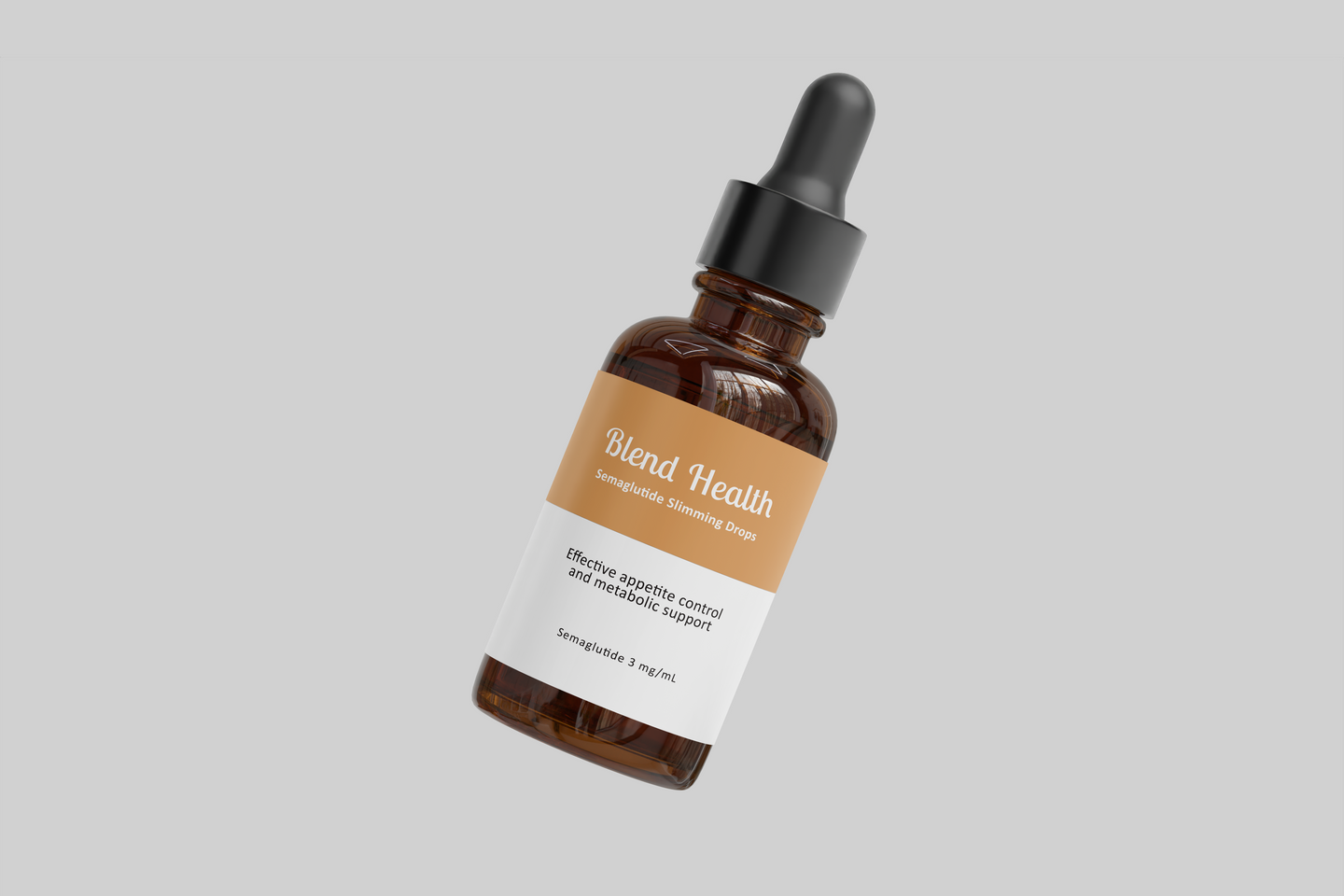
Semaglutide CADP 3 mg/ml Sublingual Suspension
Prescription treatment. Medical eligibility required.
Buy Now
How Weight Loss Medications Support Fat Loss
Weight loss medications play a key role in medical weight loss by addressing the biological drivers of weight gain.
Appetite Regulation
One of the primary challenges in weight loss is constant hunger. Certain weight loss medications help regulate appetite by influencing hunger and satiety signals in the brain. This helps individuals feel fuller for longer and reduces overeating.
By controlling appetite, weight loss medications make it easier to maintain a calorie deficit without extreme dietary restriction.
Improved Metabolic Efficiency
Some medical weight loss treatments improve how the body processes energy. This includes enhancing insulin sensitivity and improving glucose regulation, both of which are essential for effective fat loss.
When insulin levels are better controlled, the body is more likely to burn stored fat rather than store excess energy as fat.

Reduced Cravings and Emotional Eating
Cravings are a major obstacle in weight loss. Medical weight loss medications can help reduce food cravings and impulsive eating behaviors, making it easier to follow a structured nutrition plan.
This support is especially helpful for individuals who struggle with emotional eating or frequent snacking.
Hormonal Balance and Weight Control
Hormones play a significant role in weight gain and weight loss. Medical weight loss treatments help address hormonal factors that contribute to fat storage, particularly in individuals with insulin resistance or metabolic dysfunction.
By supporting hormonal balance, these treatments improve the body’s ability to lose weight and maintain results.
The Role of Medical Supervision in Weight Loss
Medical weight loss is not just about prescribing medications. Ongoing clinical supervision ensures that treatments are safe, effective, and adjusted as needed.
Medical oversight allows for:
-
Proper candidate assessment
- Dosage optimization
-
Monitoring of progress and side effects
-
Adjustments based on individual response
This level of support significantly reduces risks and improves long-term outcomes compared to unsupervised weight loss methods.
Who Can Benefit from Medical Weight Loss?
Medical weight loss treatments may be appropriate for individuals who:
-
Have struggled with repeated weight loss attempts
-
Experience persistent hunger or cravings
-
Have weight-related metabolic concerns
-
Want a structured, evidence-based approach to weight loss
A medical evaluation helps determine whether weight loss medications and clinical support are suitable for each individual.
Long-Term Benefits of Medical Weight Loss
Beyond fat loss, medical weight loss can lead to improvements in overall health, including:
-
Better blood sugar control
-
Improved cardiovascular markers
-
Increased energy levels
-
Enhanced confidence and quality of life
By focusing on sustainable weight loss rather than short-term results, medical weight loss programs support long-term health and weight maintenance.
Final Thoughts: A Smarter Approach to Weight Loss
Weight loss is not a lack of willpower it is a complex biological process. Medical weight loss treatments provide a science-based solution for individuals who want to lose weight safely, effectively, and sustainably.
By combining weight loss medications, medical supervision, and personalized care, Blend Health offers a modern approach to weight loss that supports real fat loss and long-term success.

